Blog
Customized Solutions for Durable Excavator and Loader Bucket Teeth
1. Introduction
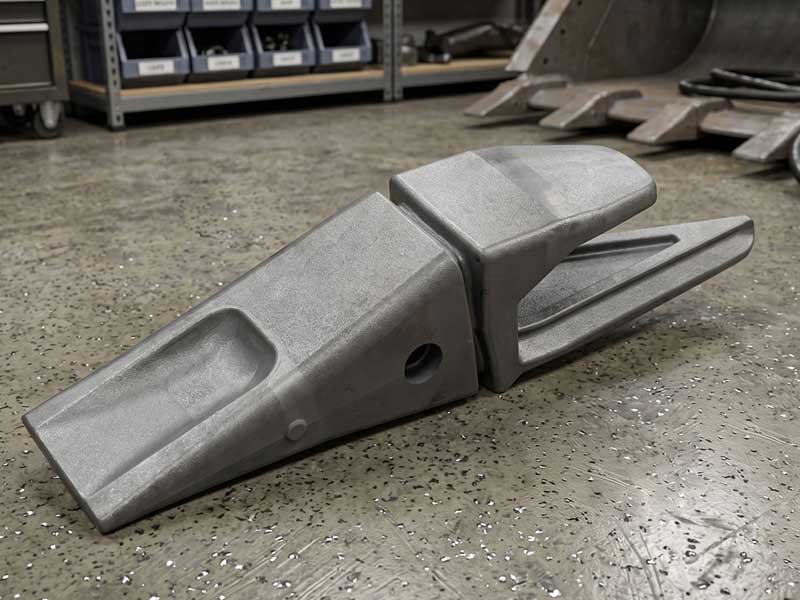
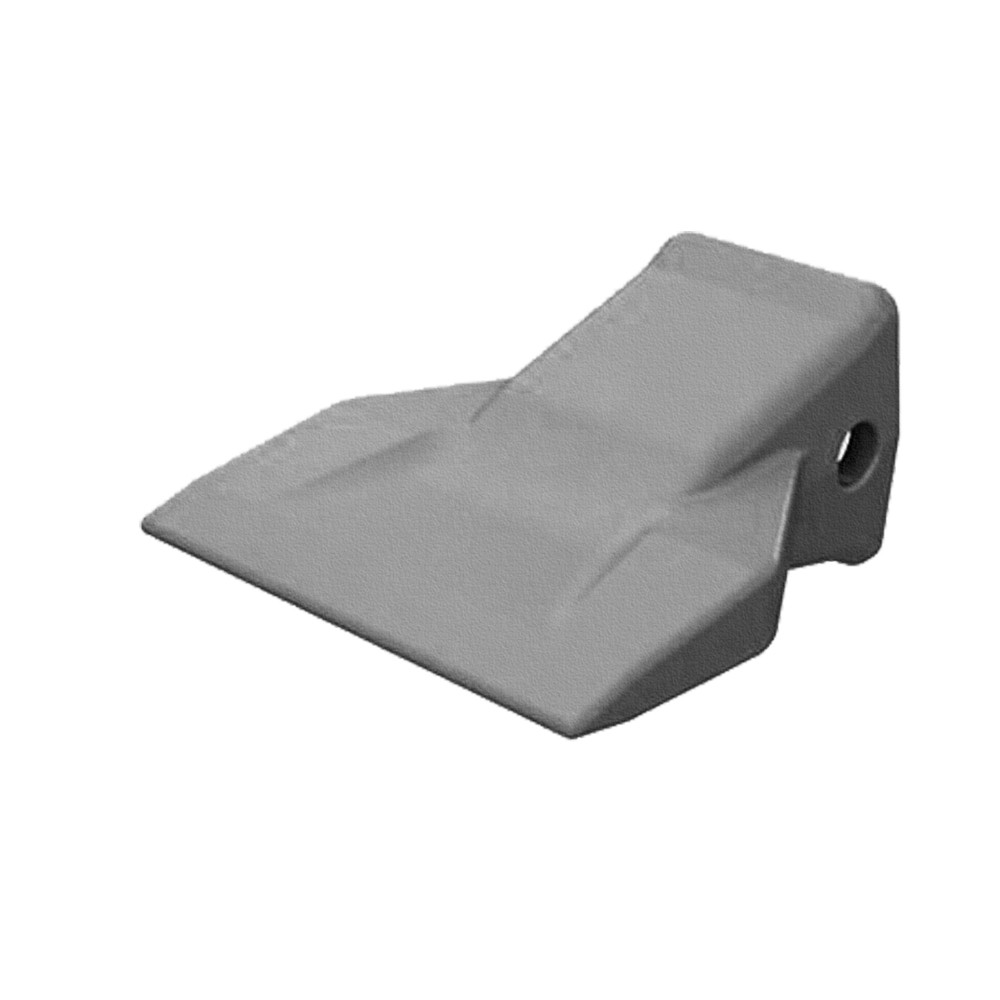
A bucket tooth is one of the most critical and frequently replaced wearable parts for excavators, loaders, and backhoe loaders in the construction and mining industry. As the direct contact component with soil, rock, gravel, and construction debris, high-quality bucket teeth determine digging efficiency, equipment stability, and overall project operating costs.
Many global engineering contractors and machinery wholesalers face common pain points: inferior bucket teeth wear rapidly, crack under impact, fail to match original equipment models, and require frequent replacement, leading to prolonged construction downtime and increased labor and procurement costs. Choosing durable, model-compatible, and condition-matched bucket teeth is the key to reducing long-term operational expenses.
This comprehensive guide covers bucket tooth industry market data, mainstream types, core features, selection standards, replacement cycles, and professional factory supply advantages, helping B2B buyers make cost-effective purchasing decisions.
2. Global Bucket Tooth Industry Market Research & Data Analysis
To help global B2B purchasers, wholesalers, and engineering enterprises grasp the latest industry development rules and procurement trends, Lihuacasting integrates authoritative 2025–2026 global and Chinese bucket tooth industry operation data and market research insights, supporting your bulk procurement and supply chain layout with data-backed professionalism.
Industry statistical data shows that the global bucket tooth market scale reached approximately USD 4.2 billion in 2025, and it is projected to exceed USD 4.5 billion in 2026, maintaining a steady compound annual growth rate of 6.8%. The continuous growth is driven by global infrastructure upgrading, mining resource development, and the renewal of construction machinery wearable parts.
In terms of the Chinese market, the domestic bucket tooth industry achieved an annual output of 1.453 million tons and a domestic demand of 1.38 million tons in 2023. While the domestic market shows slight adjustment, overseas market demand maintains rapid growth, making export-oriented factory direct supply the mainstream development trend of the industry.
In terms of product iteration and market demand trends, high-strength wear-resistant and heavy-duty bucket teeth have become the fastest-growing segmented products in the market. Traditional ordinary steel bucket teeth are gradually phased out in harsh working conditions such as mines and rock engineering. More than 70% of global B2B buyers prioritize high-manganese steel heat-treated bucket teeth for long-term bulk procurement, due to their longer service life and lower comprehensive replacement costs. Meanwhile, customized bucket tooth services for special machinery and special working conditions are rising rapidly, becoming an important competitive advantage for premium manufacturing factories.
3. Main Types of Bucket Teeth
Bucket teeth are widely applicable to diversified working scenarios, including earthwork construction, open-pit mining, construction waste cleaning, road infrastructure engineering, garden excavation, and port cargo handling. It is an indispensable basic wearable part for all heavy construction machinery.
And can be classified according to machinery types, working conditions and structural designs. Clear classification helps B2B buyers quickly match suitable products and avoid procurement errors caused by model and condition mismatch.
3.1 Classification by Machinery Type
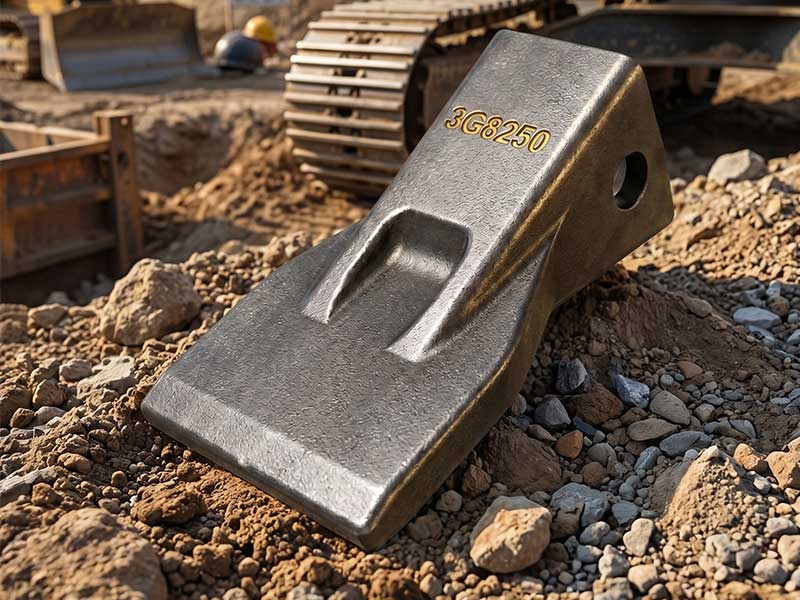
Excavator Bucket Tooth: The most widely used type in the market, applicable to mini, medium and large excavators of different tonnages. It features strong impact resistance and flexible digging performance, suitable for most conventional engineering scenarios.
Loader Bucket Tooth: Designed for loaders with large loading capacity, featuring thickened tooth body and strong compression resistance, adapting to large-scale shoveling and bulk material handling work.
Backhoe Bucket Tooth: Lightweight and high-precision design, suitable for small-scale fine excavation and rural engineering construction, with high installation compatibility.
3.2 Classification by Working Condition
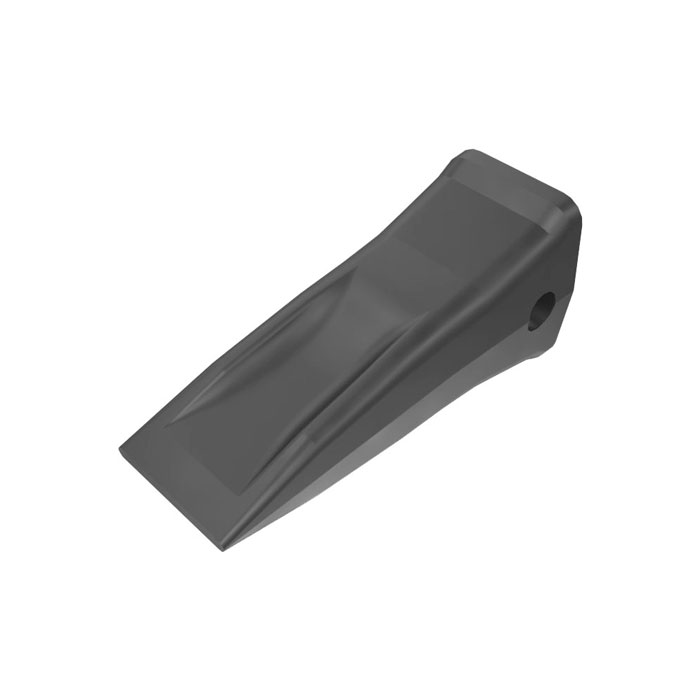
Standard Bucket Tooth: Made of conventional high-quality steel, suitable for soft working conditions such as ordinary soil, sand and loose earthwork, with cost-effective price and stable performance.
Heavy-Duty Bucket Tooth: Adopting high-manganese steel integral forging and secondary heat treatment, it is specially developed for harsh conditions such as rock, stone pile and mine mining, with ultra-high wear resistance and impact resistance.
Reinforced Bucket Tooth: Thickened tooth root and reinforced structural design, suitable for long-term high-intensity operation and extreme harsh construction environments, effectively reducing fracture and wear failure rate.
3.3 Classification by Structure
Integrated Bucket Tooth: Integrated forming process, no assembly gap, firm installation, not easy to fall off, simple and convenient for daily replacement and maintenance.
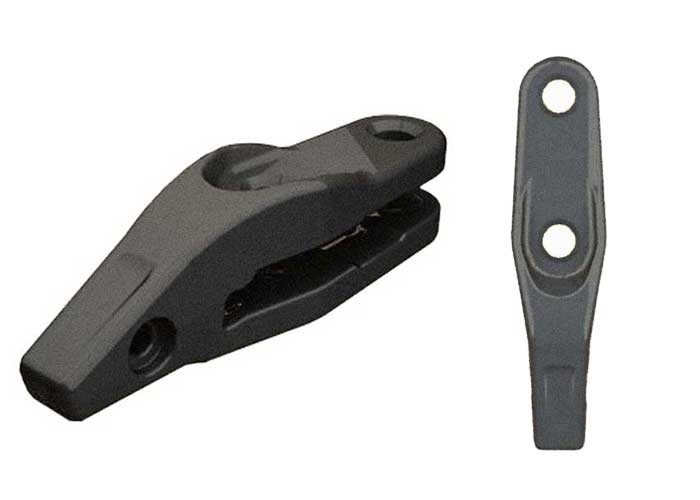
Split Bucket Tooth: Combined by tooth tip and adapter, only the worn tooth tip needs to be replaced in later use, which saves procurement cost and improves maintenance efficiency, favored by long-term engineering teams.
4. Key Features of High-Quality Bucket Tooth
Combined with industry market data and B-end buyer feedback, high-quality bucket teeth that occupy the mainstream market share have the following core advantages, which are also the key indicators for distinguishing premium products from inferior ones.
The material performance comparison table below clearly shows the differences between mainstream bucket tooth materials in the industry:
4.1 Bucket Tooth Material Performance Comparison Table
| Material Type | Wear Resistance | Impact Resistance | Service Life | Cost Performance | Best Application Scenario |
| Ordinary Carbon Steel | Weak | Average | 1–2 months | Low (frequent replacement) | Temporary, low-intensity earthwork |
| Alloy Steel (Ordinary Heat Treatment) | Medium | Good | 2–3 months | Medium | Conventional urban construction earthwork |
| High-Manganese Steel (Secondary Heat Treatment) | Excellent (35% higher than ordinary steel) | Excellent (anti-crack & anti-deformation) | 3–6 months (earthwork) / 1–3 months (mine) | High (low comprehensive cost) | Mining, rock engineering, long-term high-intensity operation |
4.2 Key Features
Excellent Wear and Impact Resistance: Premium bucket teeth adopt high-manganese steel raw materials and professional quenching and tempering heat treatment technology. Compared with ordinary steel products, their wear resistance is improved by more than 35%, and they can resist strong impact without cracking or deformation in rock mining scenarios.
Full Model Compatibility: Our bucket teeth are fully compatible with mainstream international machinery brands including Caterpillar, Komatsu, Hitachi, Volvo, Doosan and Sany, with accurate size standards and zero installation gap.
Precision Integrated Processing: Adopting CNC precision machining technology, the tooth body size is accurate, the installation interface is tightly matched, and it will not loose or fall off during high-frequency operation, reducing equipment failure rate.
Long Service Life and Low Comprehensive Cost: Although high-quality bucket teeth have a slight unit price advantage, their service life is 1–2 times that of inferior products. They effectively reduce replacement frequency, labor maintenance costs and engineering downtime losses, bringing higher long-term economic benefits for B2B buyers.
5. How to Choose the Right Bucket Tooth?
The core functions of bucket teeth include penetrating hard soil, rock, and construction waste, improving digging and loading efficiency, and protecting the bucket edge from direct friction and impact damage. Without qualified bucket teeth, the bucket body is prone to deformation, abrasion and fracture, which will greatly shorten the service life of the entire bucket and even affect the normal operation of the whole machine.
Most B2B procurement failures are caused by blind selection without matching working conditions and equipment parameters. The following scientific selection standards summarize industry experience, helping you complete accurate and cost-effective procurement. We have also sorted out a professional bucket tooth selection reference table for quick matching:
5.1 Bucket Tooth Selection Table by Working Condition & Equipment
| Working Condition | Recommended Bucket Tooth Type | Applicable Machinery | Core Advantages | Applicable Cycle |
| Ordinary soil, sand, loose earthwork | Standard Bucket Tooth | Mini & medium excavators, light loaders | Cost-effective, lightweight, flexible digging | Short-term & daily conventional projects |
| Gravel, hard soil, mixed earth-rock | Heavy-Duty Bucket Tooth | Medium & large excavators, general loaders | Balanced wear resistance & impact resistance | Medium-intensity continuous operation |
| Rock mining, quarry, harsh gravel operation | Reinforced High-Manganese Steel Bucket Tooth | Large excavators, heavy-duty loaders | Anti-crack, super wear-resistant, low failure rate | Long-term high-intensity mining projects |
5.2 Scientific selection standards
Match the Equipment Model First: Confirm the tonnage of excavator/loader, bucket specification and original tooth model before procurement. Different tonnages of equipment bear different working loads, and mismatched bucket teeth will easily break and wear prematurely.
Select According to Actual Working Conditions: For soft soil, sand and conventional earthwork, choose standard bucket teeth to control procurement cost; for rock, mine, gravel and harsh working conditions, must choose heavy-duty or reinforced high-manganese steel bucket teeth to ensure construction stability.
Focus on Material Quality: High-manganese steel is the mainstream high-quality material in the current market, with balanced toughness and hardness. Ordinary low-carbon steel has low cost but poor wear resistance, suitable only for short-term temporary engineering use.
Reasonable Selection of Structural Type: For frequent replacement scenarios, choose split bucket teeth to save later maintenance costs; for long-term continuous high-intensity operation, choose integrated bucket teeth for higher stability and safety.
6. When to Replace Bucket Teeth? (Professional Replacement Standards)
Timely replacement of bucket teeth is an effective way to ensure construction efficiency and protect equipment. According to industry maintenance specifications and engineering practical experience, replace bucket teeth immediately when the following situations occur:
Excessive Wear: When the wear degree of the bucket tooth tip exceeds 1/3 of the original size, the digging and penetrating force will decrease significantly, resulting in slow construction progress and increased fuel consumption, which needs to be replaced in time.
Deformation and Damage: Once the bucket tooth has cracks, bending, tooth body fracture or tooth root damage, it cannot continue to be used. Damaged bucket teeth are easy to fall off during operation, causing equipment failure and construction safety hazards.
Functional Failure: If the bucket tooth is loose after installation, poor in penetration, and significantly increased construction resistance, it indicates that the tooth body has failed and needs to be replaced with a new one to avoid affecting the overall working efficiency of the equipment.
7. FAQ About Bucket Teeth
7.1 What material is best for bucket teeth?
High-manganese steel is recognized as the best material for bucket teeth in the current industry. It has excellent toughness and wear resistance, can withstand strong impact and friction, and is suitable for most engineering and mining working conditions, with the lowest comprehensive use cost.
7.2 How long do excavator bucket teeth last?
The service life depends on working conditions and material quality. High-quality high-manganese steel bucket teeth can work for 3–6 months in conventional earthwork conditions and 1–3 months in harsh rock and mine conditions, which is 1–2 times longer than ordinary steel bucket teeth.
7.3 Can you customize bucket tooth for special machinery?
Yes. Lihuacasting supports full-range customized services for non-standard bucket teeth, including special sizes, special structures and material upgrades, to meet the matching needs of special engineering machinery and customized equipment.
7.4 What is the wholesale price of bucket teeth?
The wholesale price is affected by model, material, order quantity and customization requirements. We provide exclusive bulk order discount for B2B buyers. Contact our sales team to get the latest real-time wholesale price list and free samples.
7.5 How to install and replace bucket teeth correctly?
First clean the installation position of the bucket edge, remove the old adapter and residual sundries, align the new bucket tooth with the installation interface, fix it with professional pins and bolts, and check the tightness after installation. We can provide detailed installation videos and technical guidance for free.
8. About Lihuacasting & CTA
As a core wearable part of construction machinery, bucket teeth directly affect construction efficiency, equipment maintenance cost and project profit. With the continuous upgrading of the global engineering machinery accessory industry, high-wear-resistance, high-compatibility and customized bucket teeth have become the mainstream procurement trend for B2B buyers. Through reasonable model selection, working condition matching and high-quality product procurement, engineering enterprises and wholesalers can effectively reduce operating costs and improve market competitiveness.
Lihuacasting is a professional bucket tooth manufacturer with mature production technology and stable supply capacity. We sincerely serve global wholesalers, engineering construction companies and machinery maintenance merchants. We support OEM/ODM customization, bulk wholesale, fast global shipping and free sample testing. Contact us now to obtain the latest wholesale price and professional one-stop procurement solution!
RELATED NEWS
- How to Overcome Tool Wear Challenges When Machining High-Hardness Iron Castings? 2026-10-23
- Low-Temperature Charpy Impact Testing for Off-Road Trailer Castings 2026-10-20
- Common Casting Defects in Trailer Towing Rings and How to Prevent Them 2026-10-15
- Ductile Iron vs. Carbon Steel Engineering Guide for Heavy-Duty Agricultural Trai 2026-10-13
- Heavy Duty Disc Harrow: How to Choose the Right Model? 2026-10-09
CATEGORIES
LATEST NEWS
CONTACT US
Contact: Susanna Sun
Phone: +86 13706842897
E-mail: sue-sunwin@vip.163.com ; sophie091983@gmail.com
Whatsapp:+86 13706842897
Add: 1588 Jiangnan Road Ningbo High-tech Industry zone